
In more than one million homes, inadequate ventilation compromises indoor air quality.
Indoor air quality plays an important role in our health and well-being, as we spend more than 90% of our time indoors. Ensure an adequate supply of clean, fresh air in your home.sasi.
Why isn't the ventilation working properly?
Poor indoor air can cause a wide range of symptoms, such as respiratory irritation, nasal congestion, stinging eyes, recurring infections, and headaches. The most common cause of indoor air problems is inadequate ventilation, which often results from insufficient fresh air supply. If fresh air valves haven't been installed in sufficient numbers, or if they've been blocked due to draft, energy savings, or noise concerns, indoor air quality deteriorates. In some cases, the problem also stems from construction defects, where fresh air pathways haven't been properly designed or are incorrectly sized. The misconception that ventilation works naturally — for example, by removing weatherstripping from windows — is still common.
Especially in older buildings with mechanical exhaust ventilation, inadequate fresh air supply causes excessive negative pressure.
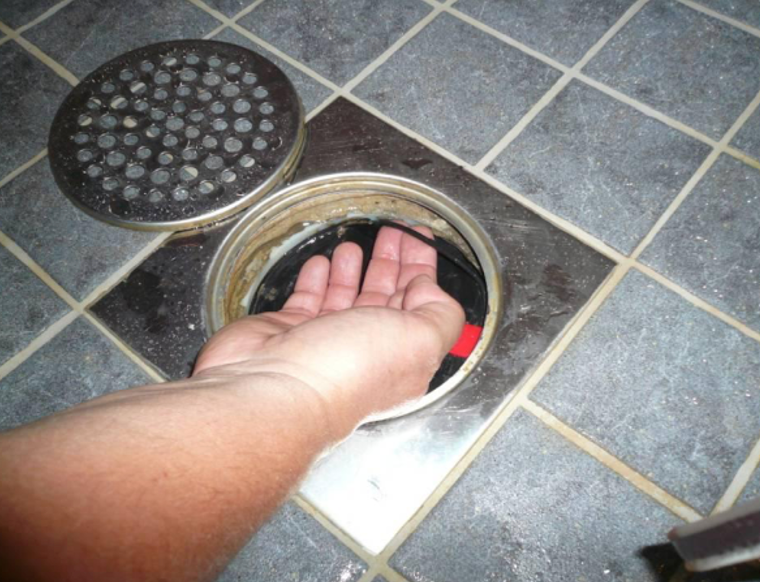
When the necessary valves are missing or too few in number, air is drawn into the home uncontrollably through impure routes, such as gaps in the building structure, drains, and around doors and windows. This brings contaminants into the indoor air along with substances harmful to occupants' health. Excessive negative pressure is in fact one of the most significant causes of indoor air problems.
Poorly functioning ventilation can also raise a home's humidity level excessively. This shows up, for example, as condensation forming on windows and other cold surfaces. Excess humidity not only increases heating costs but can also seep into the building structure, causing serious damage to the property as well as health hazards for occupants.
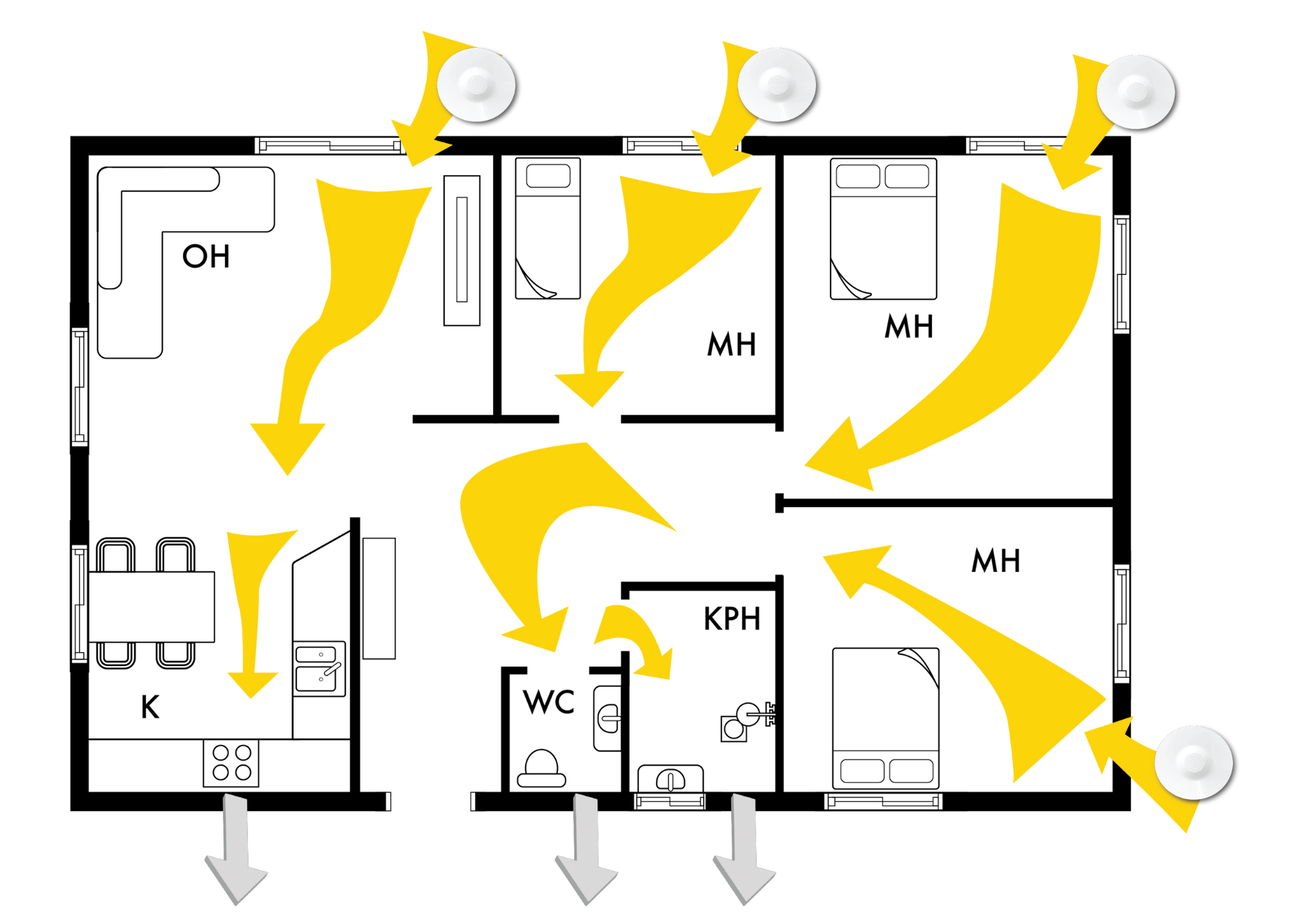
Inadequate fresh air supply causes a wide range of problems
Deficiencies in fresh air supply can manifest in many ways. The most commonly identified problems include:
- Stuffy indoor air that feels lacking in oxygen
- Various health symptoms experienced by occupants
- In apartment buildings, odor problems between units, as negative pressure draws air into apartments from the stairwell and neighboring units
- Doors and windows become heavy to open
- A sense of draft from leak points in the building structure
- Condensation forming on cold surfaces such as windows, and in the worst case, inside building structures
CO2 levels quickly indicate indoor air quality
Elevated carbon dioxide levels in indoor air indicate inadequate ventilation. The primary source of carbon dioxide indoors is people and pets, who produce it through breathing. Indoor CO2 levels are therefore a good indicator when assessing whether ventilation is sufficient. Indoor CO2 levels may rise high, for example, in a bedroom overnight if adequate ventilation hasn't been ensured. Excessively high indoor CO2 levels show up as, among other things, stuffy indoor air, and may be felt as fatigue, headaches, or poor concentration. Poor sleep quality can also result from too high a CO2 level in the bedroom.
Carbon dioxide is one of the few indoor air contaminants for which Finnish authorities have set a maximum permissible level. A satisfactory indoor air level is regulated at below 1500 ppm. If the concentration exceeds the requirements of the Health Protection Act, the space is not suitable for residential use without corrective measures.
A high-quality filter significantly improves indoor air quality
High-quality ventilation filters effectively remove contaminants, improving indoor air quality and reducing health hazards for occupants. When discussing air quality, attention often turns to pollen, which can cause allergy symptoms and respiratory irritation. However, it's also important to consider the significance of fine particles, as they penetrate deep into the respiratory tract and can cause very serious health effects. According to an estimate by the Finnish Institute for Health and Welfare (THL), fine particles cause around 1,800 premature deaths annually in Finland. High-quality ventilation filters help combat both pollen and harmful fine particles, thereby improving indoor air quality and protecting health. There are, however, major quality differences between filters: the cheapest filters may let significant amounts of contaminants through and clog quickly, while high-quality filters are able to filter out even fine particles that are highly harmful to health. Regular filter replacement and choosing the right filter are key to maintaining good indoor air.
The Allergy, Skin and Asthma Federation has established criteria for fresh air valves and their filters, allowing consumers to identify quality, responsibly tested products going forward. In this product category, only Velco fresh air valves and their Velco filters have met the Allergy Label criteria. Velco fresh air valves, which automatically adjust according to outdoor temperature, are a product that has long been successful on the market, with high-quality filters that stop 100% of pollen and are highly effective at preventing fine particles from entering the indoor air.